Heat still radiates off the pavement well after sunset, and early mornings usually begin with the hum of air conditioning. As mentioned in the previous post, a sudden rain storm lowered the temperature briefly, just enough to remind us that seasonal change is still possible.
Suzukaze Itaru (涼風至), or “cool wind arrives,” marks the onset of Risshū, the Beginning of Autumn in Japanese almanacs. In Japan, this term aligns with subtle shifts in air and mood. But this year, Japan is enduring a summer of extremes: the hottest June and July on record, average monthly temperatures up to 2.9 °C above norm, and highs exceeding 41 °C (107 °F). Hospitals have reported thousands of heat-related cases, and the drought is threatening this year’s rice harvest (The Guardian, Reuters).
Here, the calendar name may promise cooling breezes, but the world outside still feels overwhelmingly hot. A fleeting breeze feels more like a memory than a promise, soft relief amid an otherwise relentless heat.
Even so, there are signs. Not many, but enough. A neighbor leaves their windows cracked overnight. The wind chimes, quiet for weeks, clatter gently in the early morning. One evening, the sunset carried the faint scent of wet grass. These are not declarations of autumn, they are questions, whispered.
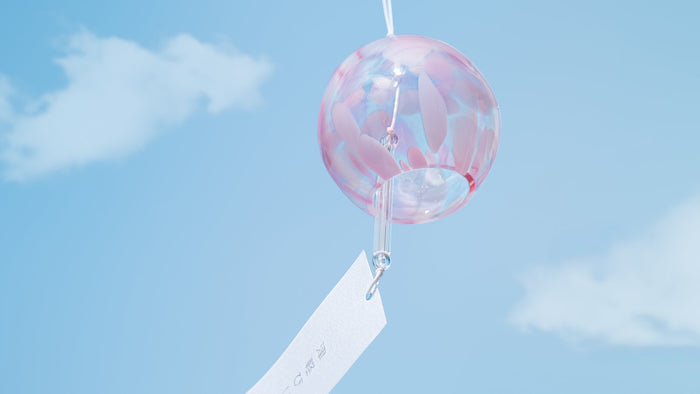
In Japanese tradition, furin (風鈴), glass wind chimes hung during late summer, are more than decoration. Their sound is meant to create an illusion of coolness. During the Edo period, they were commonly placed under eaves to help the mind imagine relief even when the sun still blazed overhead (Japan Objects, Japan Travel).
Suzukaze Itaru was not named for exact weather numbers but for the shifts people noticed in the air, the soil, the rhythm of daily life. It is less about facts than about feeling. And in this season, when summer still hangs heavy but school supplies appear in store windows, it is a good time to reflect. The breeze that slipped through last week may not return soon, but it was real. It felt, if only for a moment, like a promise. Now it feels more like a memory. That, too, is worth attending to.